Hot Water Services in Hillsdale
1000+ five-star reviews
Hot water is the failure that empties a Hillsdale morning, and on a suburb of 1960s Housing Commission cottages and red-brick unit blocks, it fails in a pattern of its own. Your Plumber Hillsdale covers the whole arc, from a cold dawn shower to a planned swap before the tank lets go.
Older systems, clustered failures. The units here skew older and harder-run than most and tend to give out in bunches, so knowing what your unit is doing and which part of the job it needs gets you to the right fix without a wasted morning.
- $0 Call Out Fee
- Lifetime Labour Warranty
- Licensed & Insured

- Lic #275278C
- Licensed & Insured
- $0 Call Out Fee
- Lifetime Labour Warranty
- On-Site Fast, 24/7
- 1000+ five-star reviews
- Real Humans Answer, Day or Night
- Lic #275278C
- Licensed & Insured
- $0 Call Out Fee
- Lifetime Labour Warranty
- On-Site Fast, 24/7
- 1000+ five-star reviews
- Real Humans Answer, Day or Night
- Lic #275278CNSW plumbing licence, fully insured, water and gas
- $0 Call Out FeeIt costs nothing to get us to your door
- Lifetime Labour WarrantyIf it's not right, we come back. No questions. No cost.
- 1000+ five-star reviewsSydney homeowners have rated us five stars over a thousand times
When the hot water goes in a Hillsdale flat
Telling one hot water fault from another decides who you call and how fast, so start with what the taps are actually doing:
Cold water everywhere, no notice. A gas pilot that will not hold or an electric tank that has tripped leaves the whole flat cold at once, the sort of right-now failure our no hot water line is set up to sort out over the phone.
Warm turning lukewarm. A system that used to run hot but now fades halfway through a shower is usually a tiring element or a thermostat drifting low, a fix-or-swap decision rather than an outright crisis.
Rusty or discoloured flow. Brown-tinged water from the hot tap usually means a corroding cylinder, or the aged galvanised riser that feeds it, and the tint deepens quietly until the tank starts to weep.
A puddle under the unit. Water pooling at the base of a storage heater means the cylinder wall has begun to go, and once that starts there is no sealing it back up again.
Cold water everywhere, no notice
A gas pilot that will not hold or an electric tank that has tripped leaves the whole flat cold at once, the sort of right-now failure our no hot water line is set up to sort out over the phone.
Warm turning lukewarm
A system that used to run hot but now fades halfway through a shower is usually a tiring element or a thermostat drifting low, a fix-or-swap decision rather than an outright crisis.
Rusty or discoloured flow
Brown-tinged water from the hot tap usually means a corroding cylinder, or the aged galvanised riser that feeds it, and the tint deepens quietly until the tank starts to weep.
A puddle under the unit
Water pooling at the base of a storage heater means the cylinder wall has begun to go, and once that starts there is no sealing it back up again.
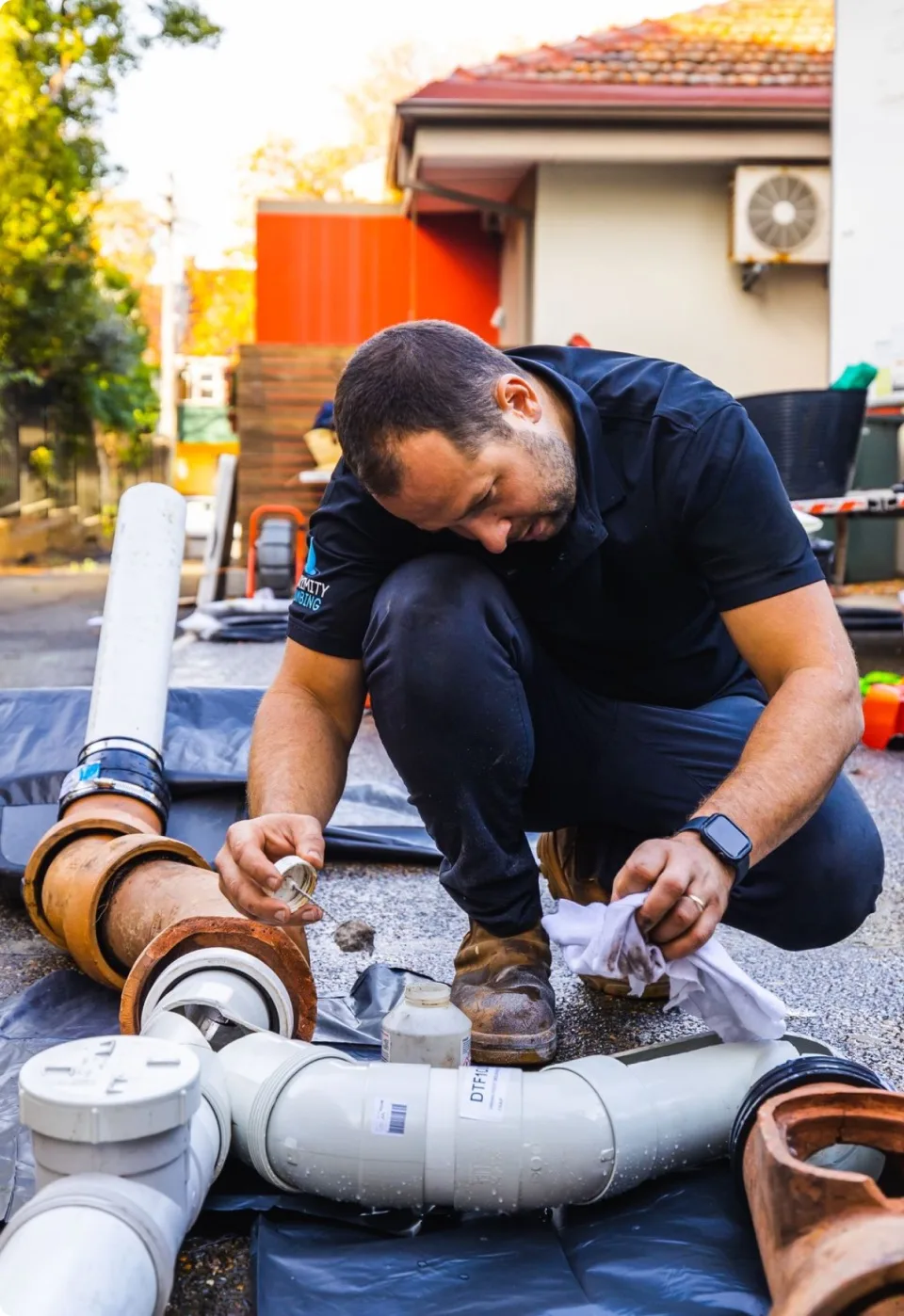
Storage-unit fleets age out block by block
The 1960s red-brick unit blocks around the estate went up in batches, and the storage heaters fitted inside them were matched sets switched on the same year. Decades later, those fleets wear out within a season or two of each other.
Replacements come in waves. When one heater in a block finally lets go, the identical units either side of it are usually close behind, so a strata committee often plans a staged run of swaps instead of paying to attend them one crisis at a time.
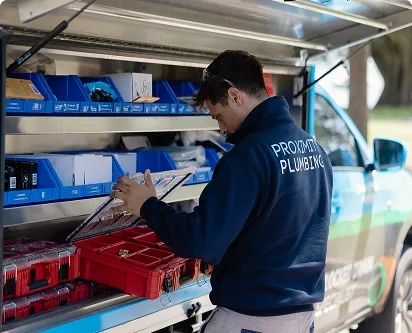
Galvanised risers behind the old systems
Behind a good deal of the Housing Commission stock sit galvanised supply runs seven decades old, and as those risers corrode closed they starve the heater and stain the flow rusty long before the cylinder itself is spent. Servicing the tank alone never settles that.
Salt is a quieter factor. Sitting low on the Botany sands a short walk from the bay, this pocket carries a moderate, steady salt drift that works away at outdoor tanks and exposed fittings, secondary to the sheer age of the systems but worth allowing for so near the water.

Why hot water fails faster in the older stock
Several forces gang up on a tank in a hard-run flat, which is why the units here rarely see out a full advertised lifespan:
Sediment settles and bakes on
The sacrificial anode gives out
Thermostats drift with age
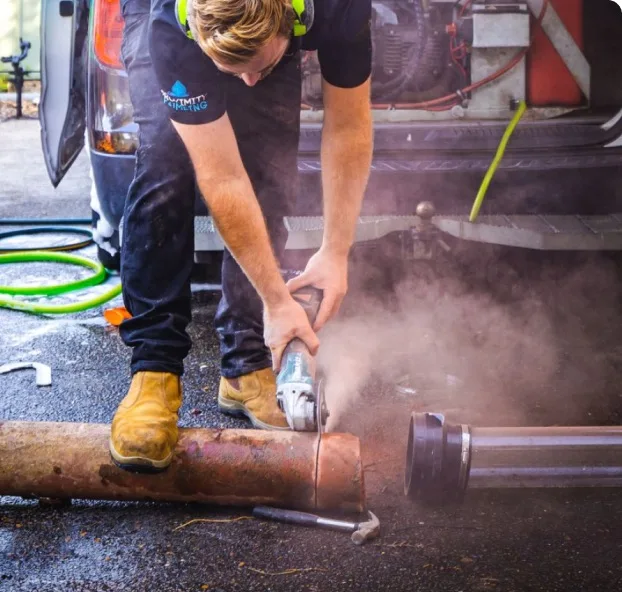
Two housing types, two hot water jobs
The suburb runs on two very different sorts of home, and each brings its own kind of hot water work:
The post-war estate stock
The newer rendered apartments
Where the two meet
Hot water services across Hillsdale
Every part of a hot water job has its own page, so you land straight on the detail you need:
Hot Water Replacement
When a storage tank has finally worn out, we size and fit the new one in a single visit, matched to the flat's space, fuel and household demand so it comfortably outlasts the unit it retires.
- Old heater drained, disconnected and taken away
- Fresh tank sized to the flat's real daily demand
Hot Water Installation
For a fresh bathroom, a relocated laundry or a first system in a renovated walk-up, we plan the run, the fixings and the compliance so the heater lands exactly where it belongs and passes inspection first time.
- Pipe runs, fixings and flue or drain set to code
- Compliance certificate handed over with the invoice
Hot Water Repair
A failed element, a drifting thermostat, a relief valve weeping at the seat or a pilot refusing to catch are all mendable, and the van carries the common parts so most tanks are running again quickly.
- Common valves, elements and thermostats kept on board
- Most repairs finished in the one visit
Gas Hot Water Systems
Where the flat already has a gas connection, a gas storage or continuous-flow unit gives strong recovery for a busy household, and we talk you through the sizing and running-cost trade-offs well before you commit.
- Storage or continuous-flow options weighed for your household
- Sizing and running costs laid out plainly first
Electric Hot Water Systems
Electric storage stays the default across the older blocks that never had gas laid on, and we help you weigh cylinder size, off-peak heating and the cupboard space a tank needs against how much the household truly gets through.
- Cylinder capacity matched to daily use
- Off-peak heating set up where it saves you money
Instant Hot Water Systems
Continuous-flow units heat only on demand and hand back the cupboard a storage tank would fill, a genuine gain in a compact flat, and we confirm the gas or supply can carry the load before recommending one.
- Cupboard space freed where a tank once stood
- Gas or supply checked to carry continuous demand

Repair or replace, and which page to read next
Most hot water calls turn on a single decision, and the unit's age usually settles it:
Lean toward a repair
Lean toward a replacement
Signs your hot water is near the end
A tank rarely dies without warning, and catching the signals early turns an emergency into a scheduled job:
It never quite recovers
Noises from the cylinder
Damp or rust at the foot
Choosing a system for the older flats
The fuel and format you pick shape the next decade of showers, so it is worth a moment before the old unit forces your hand:
Gas suits high demand. A household running several showers back to back draws the fastest recovery from gas, provided the flat already holds a connection and a flue path that meets code.
Electric suits the gas-free blocks. Most walk-ups here never had a gas connection laid on, so an electric storage cylinder on a controlled off-peak rate is the straightforward, lower-fuss answer for those flats.
Off-peak trims electric running costs. An electric tank set to heat overnight on a controlled tariff carries a full day's supply at the lower off-peak rate, which suits the storage units common in the older stock.
Continuous flow suits tight cupboards. Where floor space is the real constraint, an instant unit clears the recess a cylinder would occupy and never runs dry mid-shower, as long as the supply can feed it.
Size it to the household, not the label. A unit too small runs cold at the worst moment and one too large wastes standing heat, so we match capacity to how many people and fixtures genuinely draw on it.
Gas suits high demand
A household running several showers back to back draws the fastest recovery from gas, provided the flat already holds a connection and a flue path that meets code.
Electric suits the gas-free blocks
Most walk-ups here never had a gas connection laid on, so an electric storage cylinder on a controlled off-peak rate is the straightforward, lower-fuss answer for those flats.
Off-peak trims electric running costs
An electric tank set to heat overnight on a controlled tariff carries a full day's supply at the lower off-peak rate, which suits the storage units common in the older stock.
Continuous flow suits tight cupboards
Where floor space is the real constraint, an instant unit clears the recess a cylinder would occupy and never runs dry mid-shower, as long as the supply can feed it.
Size it to the household, not the label
A unit too small runs cold at the worst moment and one too large wastes standing heat, so we match capacity to how many people and fixtures genuinely draw on it.
How we diagnose a hot water fault
A dead system can trace back to any of several parts, so we work through them in order rather than guessing:
Start at the valves and pilot
Test the element and thermostat
Check the anode and cylinder
Servicing that buys you years
A little upkeep stretches the life of a storage system and heads off the worst of the failures:
Test the relief valve yearly
Flush the sediment
Renew a spent anode
What a block-wide replacement involves
Swapping a run of identical units across a strata block is more logistics than plumbing, and planning it beats reacting to it:
Access and timing
Matching the fleet
One quote, in writing
Making the flat safe before we arrive
While you wait, a couple of simple steps limit the mess and keep everyone safe:
Shut the isolation valve
Kill the power or gas to the unit
If you smell gas, leave the property and call from outside
How it works
How a hot water job works
- 01
Call us and talk to a plumber
Speak to a licensed plumber, not an answering machine. Tell us what's going on and we'll tell you what happens next.
- 02
We turn up when we say we will
Your plumber arrives on time, in a stocked van, ready to start, not ready to have a look and come back next week.
- 03
Fixed price before we lift a spanner
You get the full price in writing before any work begins. No surprises, no obligation. If you say no, that's fine. The call out cost you $0.
- 04
Fixed right, backed for life
The work is done properly, tested, and covered by our Lifetime Labour Warranty. If it's not right, we come back. No questions. No cost.
Why homeowners across Hillsdale call us
The price we quote is the price you pay. No exceptions
Every job is priced upfront, in writing, before work starts. Weekend or weekday, day or night, with no overtime surprises.
$0 Call Out Fee
Getting us to your door costs nothing. You only ever pay for work you've approved.
Licensed & insured, Lic #275278C
Every plumber on the team is fully licensed and insured. Your compliance certificates are sorted, every time.
Lifetime Labour Warranty
Our workmanship is guaranteed for life. If it's not right, we come back. No questions. No cost.
1000+ five-star reviews
Sydney homeowners have rated us five stars more than a thousand times. In the community, for the community.
Fair, upfront pricing. No surprises.
Upfront pricing on every hot water job
Upfront fixed pricing. No hourly surprises.
We don't charge by the hour, and we don't do estimates that grow. Your plumber assesses the job, gives you a fixed written price, and that's what you pay. The price we quote is the price you pay. No exceptions.
- $0 call out: the assessment and quote cost you nothing
- One fixed price, in writing, before any work begins
- No overtime rates: nights and weekends priced the same way
- Card, cash and payment plans accepted
No surprises, no obligation. If the price doesn't work for you, you owe us nothing.
The price we quote is the price you pay. No exceptions.
The rest of what we cover nearby
Hot water trouble seldom shows up alone, so the rest of the network sits one click away:
Water through the ceiling or a gas smell. Our emergency plumbing line answers day and night.
Taps, toilets and bathrooms. The everyday work lives under general plumbing.
Slow gullies and backed-up pits. That side of things sits with drainage.
The whole picture. It all starts back at home.
Water through the ceiling or a gas smell
Our emergency plumbing line answers day and night.
Taps, toilets and bathrooms
The everyday work lives under general plumbing.
Slow gullies and backed-up pits
That side of things sits with drainage.
The whole picture
It all starts back at home.
Good questions, straight answers
Hot water questions from Hillsdale locals
How do I know whether to repair or replace my hot water system?
Age is the deciding factor: a unit under about a decade old with just one failed part is usually worth mending, while a heater past its warranty years or leaking at the base is better swapped out.
Why do whole blocks of Hillsdale flats seem to lose hot water at once?
The 1960s walk-up blocks were fitted with matched storage heaters at build, so those fleets wear out across the same few years and tend to fail in a run rather than singly.
Can you replace a hot water unit in a strata walk-up?
Yes, we handle strata work routinely and can help a committee plan a phased set of swaps across a block rather than paying to attend each identical failure on its own.
Should I choose gas or electric hot water for a flat here?
Most older Hillsdale blocks were never plumbed for gas, so electric storage is the common pick, though a gas or continuous-flow system delivers faster recovery where a connection already exists.
Can old galvanised pipes affect my hot water?
They can, because the aged galvanised risers in a lot of the older stock corrode closed and stain the hot water rusty, which servicing the tank alone will never resolve.
What should I do first if my hot water tank is leaking?
Close the isolation valve on the cold inlet feeding the tank to stop more water reaching the leak, switch the unit off, and then call us to assess it.
Is there any call out charge for a hot water visit?
No, the call out is $0, and a fixed written price is set before any work begins, so having us assess the system leaves you owing nothing either way.
Need a plumber in Hillsdale? We're ready now.
Call (02) 9072 0592 and speak to a licensed plumber, not an answering machine, 24/7, including weekends and public holidays. Prefer a callback? Leave your details and we'll call you back fast, day or night.
Call (02) 9072 0592. $0 call out, fixed price before any work begins.